
Nutrition Blog

Myths of nutrition #3: To gain more muscle, I need to eat more protein
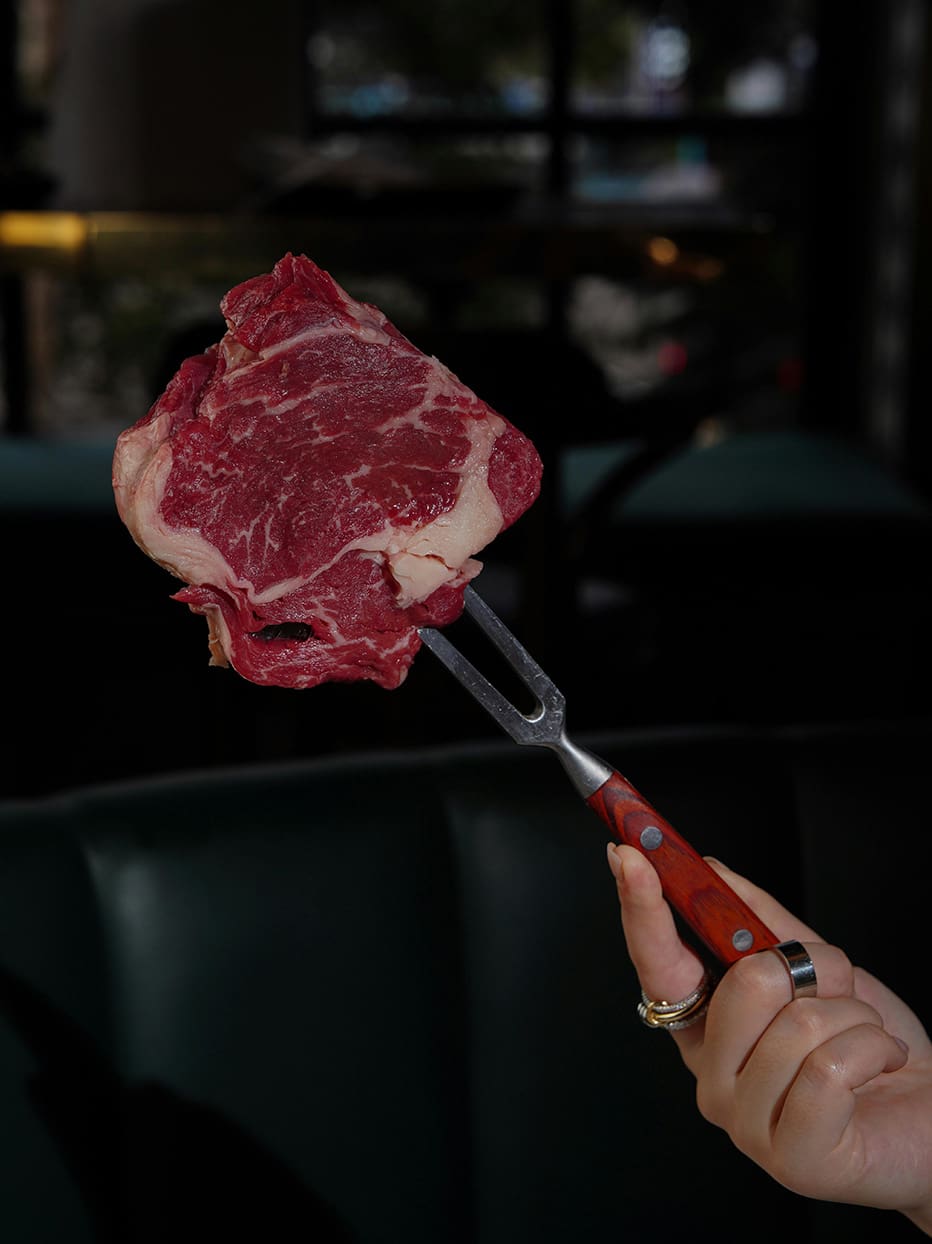

High-protein consumption is a new trend with protein isolates and pre-made protein shakes sold in abundance at all gyms, grocery stores, and health food stores. Products promote “to gain more muscle” with many products exceeding 30 grams of protein per serving.
The USDA 2020-2025 Dietary Guidelines recommends 0.8 grams of protein per kilogram of ideal body weight daily for adults. For example, a 160 lb adult would receive the recommendation of 60 grams of protein per day. The American Academy of Nutrition and Dietetics released recommendations for endurance or strength athletes, which are1.2 to 2 grams of protein per kilogram of body weight daily. Therefore, a 160 lb endurance or strength athlete would receive the recommendation of 85 to 140 grams of protein per day, with only the top athletes at the higher end of that recommendation.
Many individuals tend to eat too much protein, which could have adverse effects. Disorders of bone homeostasis, liver function, and kidney function are of highest potential with excess protein intake. Excess protein intake may influence the function of the gut microbiome, with other effects on health. Always consult with a Registered Dietitian when increasing protein intake.
Always remember, food sources of protein, rather than protein isolates and shakes, are enough to reach your protein goals. Animal protein options are meats, chicken, fish, pork, cheese, and greek yogurt. Plant protein options are beans, nuts, tofu, tempeh, and seeds.

Jen Meijer, PhD, MPH, RD is a Registered Dietitian specializing in evidence-based nutrition care across the lifespan, helping patients build sustainable habits that support long-term health in Vermont and New Hampshire.

Nutrition Care for a Wide Range of Health Goals
Happy Trails Nutrition provides individualized support for:
Disease Management
• Cardiovascular disease
• Diabetes and insulin resistance
• Gastrointestinal disorders
• Weight management
• Metabolic health
Life Stage Nutrition
• Pediatric nutrition and picky eating
• Adolescents learning independent nutrition habits
• Pregnancy and lactation
• Menopause and hormonal changes
• Healthy aging and bone health
Performance & Prevention
• Sports nutrition
• Preventative nutrition care
• Long-term lifestyle changes
• Reducing reliance on medications when possible


