
Nutrition Blog

Myths of nutrition #2: Dietary fat is bad for you.
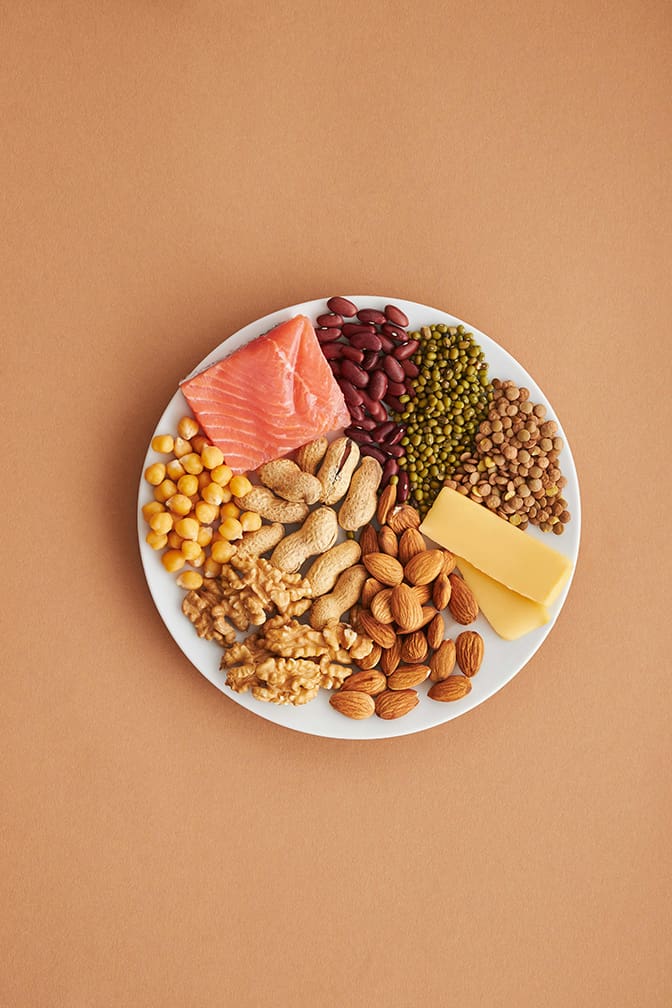

Many of my patients come to our clinic to reduce cardiovascular risk through management of LDL, triglycerides, cholesterol, and weight. The term “fat” frightens patients as they have been told they are “carrying too much fat” or “have too much fat in their bloodstream.”
Naturally, these patients tend to transfer their fear of fat to a reduction of dietary fat.
Over the past 50 years, dietary fat recommendations have evolved as nutritional sciences research has progressed. From 1980 through the mid-2000s, the American Heart Association recommended to “avoid too much fat.” Unfortunately, the recommendation “avoid too much fat” was incomplete. The population responded to these recommendations by increasing carbohydrate intake, including refined grains, which we now know is one of the pillars of the obesity epidemic.
In the mid-2000s, nutritional sciences research yielded a stronger understanding that to reduce cardiovascular risk, dietary intake should replace saturated fat with monounsaturated and polyunsaturated fat, rather than carbohydrates. The type of fat you eat is the most important consideration.
For patients looking to reduce their cardiovascular risk, we may recommend:
- Limiting saturated fat to <6% calories per day
- Avoiding trans-saturated fat
- Limiting cholesterol to <200mg per day
- Increasing monounsaturated and polyunsaturated fat by increasing:
- Nuts and seeds
- >2 fish servings per week
- Supplementation of EPA and DHA
- Increasing fiber intake, specifically soluble fiber
More insight on the evolution of dietary fat recommendations can be found by the American Heart Association.

Jen Meijer, PhD, MPH, RD is a Registered Dietitian specializing in evidence-based nutrition care across the lifespan, helping patients build sustainable habits that support long-term health in Vermont and New Hampshire.

Nutrition Care for a Wide Range of Health Goals
Happy Trails Nutrition provides individualized support for:
Disease Management
• Cardiovascular disease
• Diabetes and insulin resistance
• Gastrointestinal disorders
• Weight management
• Metabolic health
Life Stage Nutrition
• Pediatric nutrition and picky eating
• Adolescents learning independent nutrition habits
• Pregnancy and lactation
• Menopause and hormonal changes
• Healthy aging and bone health
Performance & Prevention
• Sports nutrition
• Preventative nutrition care
• Long-term lifestyle changes
• Reducing reliance on medications when possible


