
Nutrition Blog

Got a Sweet Tooth? How to navigate sweeteners.
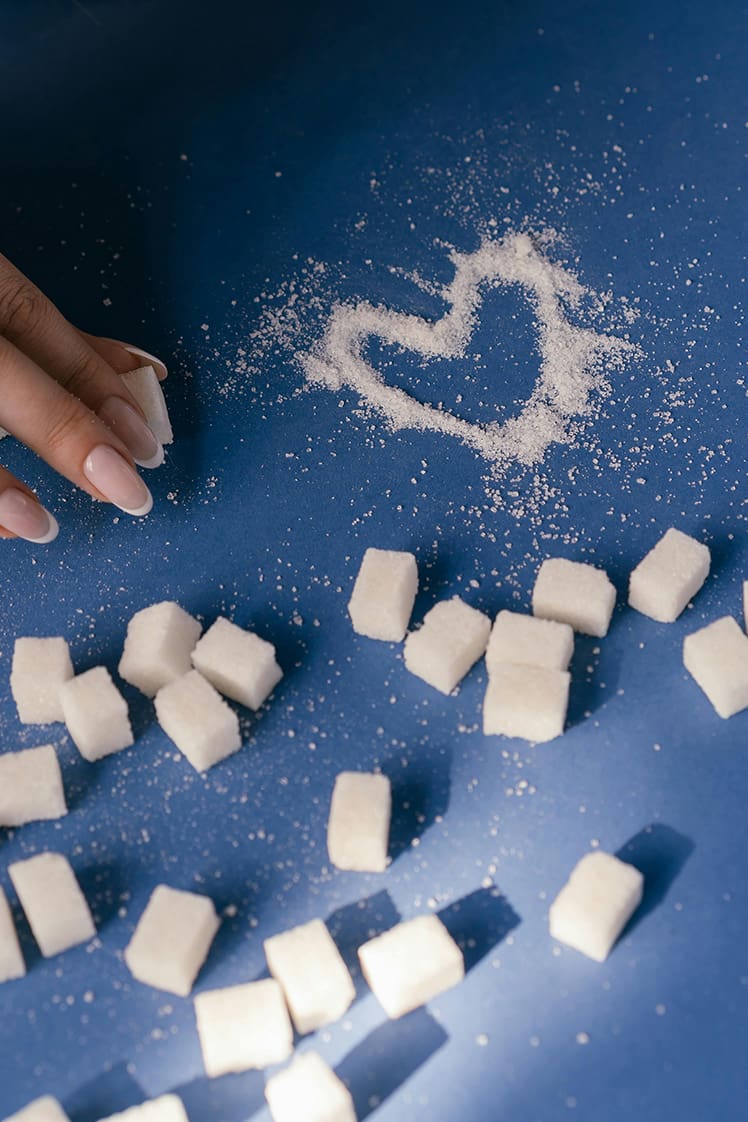

Summer is approaching fast, which tends to be a season for popsicles, ice cream, and sweet beverages. Let’s take a moment to navigate sweeteners to consider what is best for our health.
Added Sugars
A processed food with sugar as an ingredient is considered to have “added sugar.” Added sugar is a major culprit to excess caloric intake, with each teaspoon contributing 16 calories. Added sugars can be found in obvious places such as soft drinks, candy, cookies, cakes, ice cream, and sports drinks as well not so obvious places such as smoothies, granola bars, and sweetened yogurts. Sugar can be sneaky with a variety of names in the ingredient list:
- Corn syrup
- High-fructose corn syrup
- Evaporated cane juice
- Dextrose
- Maltose
- Fructose
- Glucose
- Honey
- Maple syrup
- Molasses
- Agave nectar
- Malt syrup.
Sugar Substitutes
Sugar substitutes, also known as artificial sweeteners, were created to taste sweet without the calories. Artificial sweeteners became popular during the world wars in response to lowered sugar production due to the agricultural crisis. Sugar substitutes are made in a laboratory or extracted from plants.
Some of the most common sugar substitutes include:
- Aspartame (Equal or NutraSweet)
- Saccharin (Sweet N’ Low)
- Acesulfame Potassium (Sweet One)
- Sucralose (Splenda)
- Stevia (Truvia)
- Monk fruit
Both Stevia and monk fruit may not be subjected to the same FDA regulations as other sweeteners because they come from a plant.
Sugar Alcohols
Sugar alcohols are a reduced calorie sweetener made of long chains of carbohydrates known as polyols. There polyols are not completely absorable by humans, making them a lower-calorie option. There are naturally occuring sugar alcohols in some foods including sorbitol (apples, pears, avocados, apricots, and plums) and mannitol (mushrooms, cauliflower, celery, and sweet potatoes).
Some of the most common sugar alcohols include:
- Sorbitol
- Erythritol
- Xylitol
- Maltitol
The bittersweet reality of artificial sweeteners
In a world that is obsessed with calories, we often forgo to remember that non-caloric foods still have an impact on our bodies. This past March, a new study was published in Nature Metabolism, finding that articial sweeteners can make you feel hungrier. The findings suggest that “non-caloric sweeteners could affect key mechanisms in the hypothalamus responsible for appetite regulation.” Yikes. Other clinical trials have suggested that artificial sweeteners – which are supposedly inert — were shown to disrupt the gut microbiome of healthy people and impair glucose tolerance. And it’s now widely accepted that sugar alcohols are a common culprit of irritable bowel syndrome and gastrointestinal distress.
What does Happy Trails Nutrition Recommend?
What goes into our bodies has an effect on our health, even if it has no calories. Think about it: if you taste sweet, your brain is receiving a message and will in return respond to that message. With all my patients, I recommend that we take back control of sweeteness with these steps:
- To the best of our ability, remove artificial sweeteners and added sugar alcohols. Get rid of that sweet taste!
- Limit daily added sugars to 5% of caloric intake. For a 2000 calorie diet, this is 25 grams of added sugar each day (1.5 tablespoons). This means limiting added sugar that is in premade foods (e.g., sweetened yogurts) and homemade foods (e.g., maple syrup on oatmeal).
- Choose natural sugars, such as honey and maple syrup, over refined sugar, which both have antioxidant and immune benefits.
- Enjoy the summer’s bounty of fresh fruits. When you cut back on your added sugars and remove artificial sweeteners, your taste palate will have an explosion of flavor and satisfaction from naturally occuring sweeteness in fruits. Even sweet potatoes will taste sweet! This is the way our palate was meant to be.

Jen Meijer, PhD, MPH, RD is a Registered Dietitian specializing in evidence-based nutrition care across the lifespan, helping patients build sustainable habits that support long-term health in Vermont and New Hampshire.

Nutrition Care for a Wide Range of Health Goals
Happy Trails Nutrition provides individualized support for:
Disease Management
• Cardiovascular disease
• Diabetes and insulin resistance
• Gastrointestinal disorders
• Weight management
• Metabolic health
Life Stage Nutrition
• Pediatric nutrition and picky eating
• Adolescents learning independent nutrition habits
• Pregnancy and lactation
• Menopause and hormonal changes
• Healthy aging and bone health
Performance & Prevention
• Sports nutrition
• Preventative nutrition care
• Long-term lifestyle changes
• Reducing reliance on medications when possible


